The coronavirus pandemic has forced people to spend long hours at home. This gives rise to tension in the household and frequent quarrels and conflicts with your partners, spouse, or children. This article will introduce some Japanese expressions used during quarrels and arguments.
Let’s look at how to say thank you to our loved ones today. If you have a Japanese friend, lover, spouse, or child, try using these words of gratitude to your loved ones in Japanese.
In this article, we are going to learn how to say days of the week in Japanese. After we have mastered the vocabulary, try to say your schedule for one week.
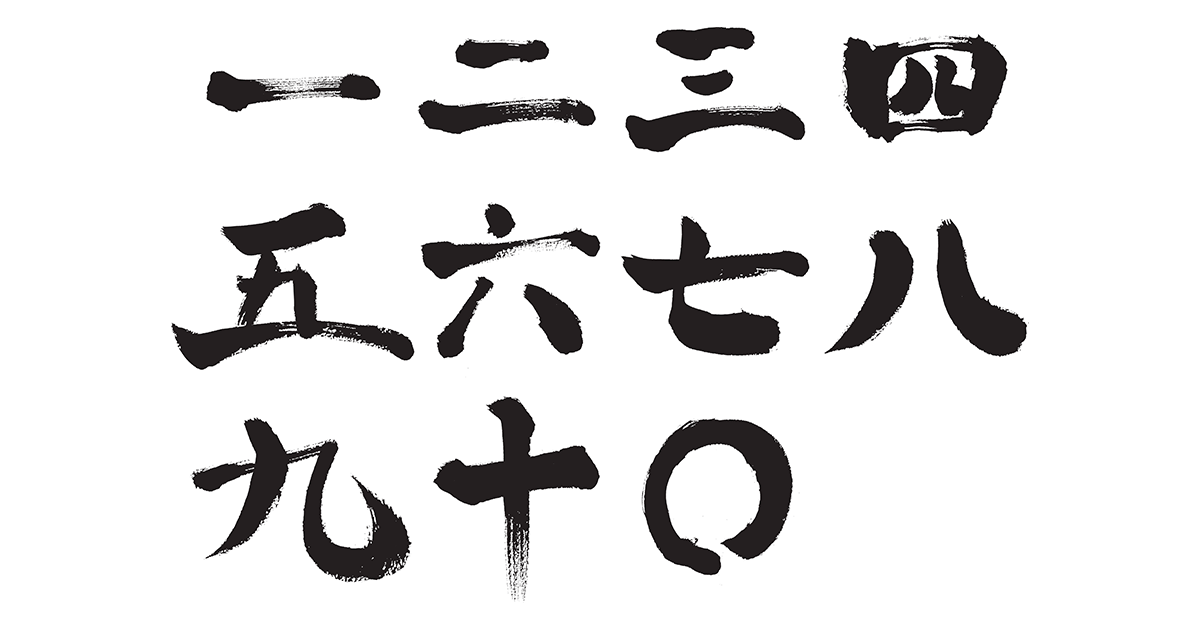
Let’s learn how to tell time in Japanese today. Knowing how to tell time increases your language proficiency and survival skills in Japan as you can ask time and understand train and bus schedule announcements.
Question: I was interning at a Japanese company. During lunchtime, someone called the office and I picked up the phone. The man spoke rapidly in Japanese but I could not understand. Nobody was around to take the call in Japanese. I spoke in English but he could not understand me either. We had to end the call. When my colleagues returned to the office, I could only tell them that a man called the office but I could not provide more information. How do you say “man” in Japanese?
Question: I have started learning conversational Japanese and in class, I learned how to say, “I take a bus to school every morning” which is “maiasa basude gakkoo e ikimasu”. I actually have to walk quite a bit to school after alighting from the bus. So how do I say “I take a bus and walk to school”? Can I say “watashi wa basu to aruite gakkoo e ikimasu”?
Question: I will be starting my internship in a Japanese company. I want to leave a good impression on my Japanese supervisor and colleagues and am thinking of saying “nice to meet you” in Japanese. How do I say it in Japanese?
Question: I have started my internship in a Japanese company. It was my first day at work and it was almost time to go home. I wanted to leave a good impression on my Japanese supervisor so I said “Sayoonara” to her as I was preparing to leave. She looked at me in surprise and then she laughed and replied “Ja, mata ashita ne”. I was quite embarrassed. I had the feeling that I said something wrong, but I did not dare to clarify. Was I wrong to say “sayoonara” for “good bye”?